Author Archives: Asa Don Brown

The Psychology of Halloween

Posted by: Asa Don Brown on October 31, 2012 3:58 pm

“If human beings had genuine courage, they’d wear their costumes every day of the year, not just on Halloween.”
                                                                                                       ~ Doug Coupland

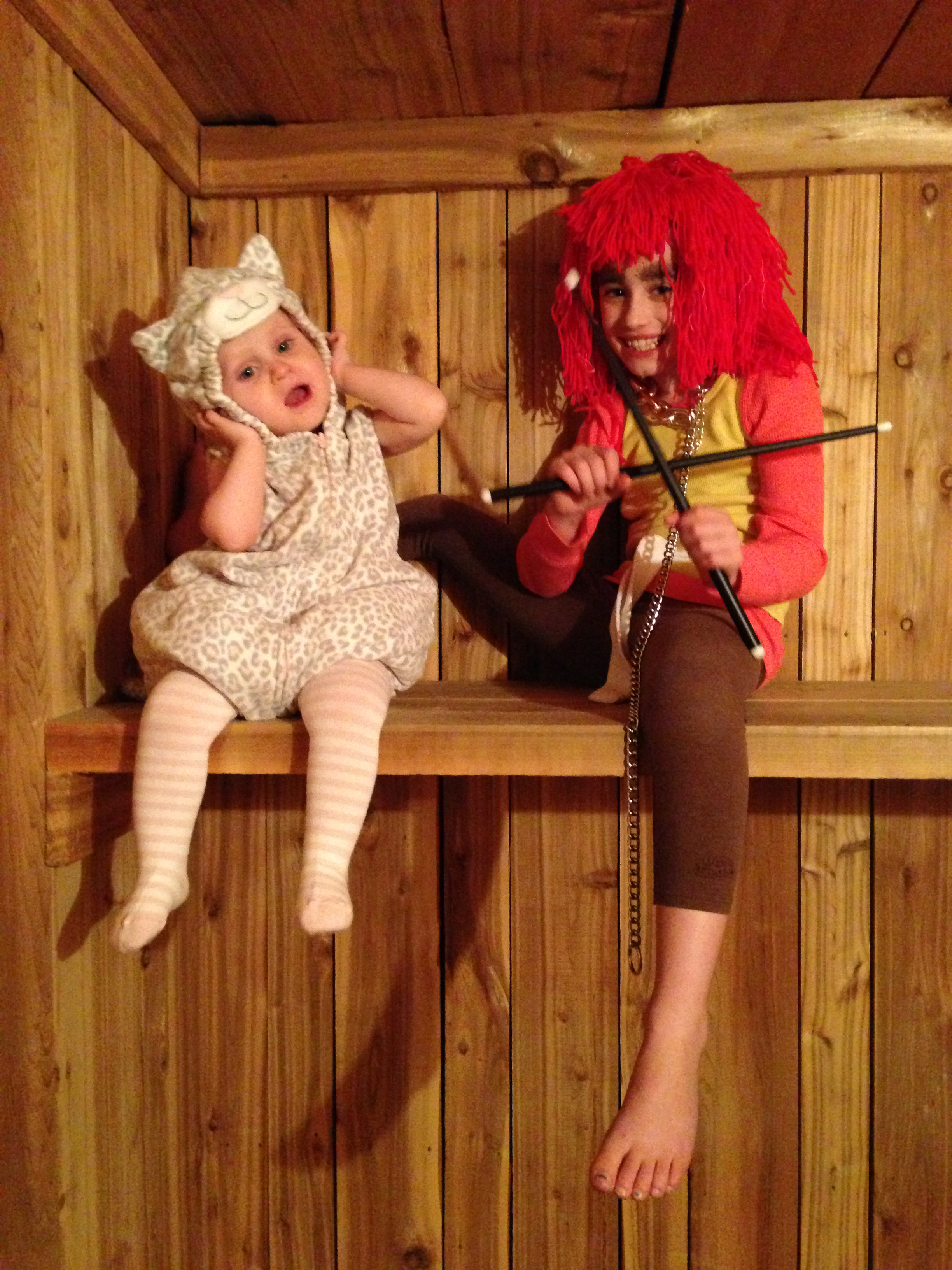
The Psychology of Halloween has long been debated because of the terror associated with the holiday.  Halloween has indeed a twofold agenda:  freighting and terrorizing, as well as, playful and fantasy. 
THE FEARS ASSOCIATED WITH HALLOWEEN

Halloween injects the greatest fears associated with humanity into our lives.  From Hollywood to Bollywood, you can view films associated with Halloween.  Halloween grabs hold of the internal frailty of our minds.  It perpetuates the unknown, the undetermined, and the mysteries sometimes involved with life.

Be cautious to moderate your child’s intake of “scary” movies and “scary” novels.  Children can find it difficult to differentiate between fantasy and reality. As parents, we should monitor every single source of conditioning that influence our children. 

While Halloween is known for instilling fear, it does not have to feed into our fears.  It can be a holiday that proves a source of fun, fantasy, and imagination.  For children, it is important to help  develop a healthy imagination filled with creativity and adventure. 

“Dr. Gene Beresin, Director of Child and Adolescent Psychiatry Training, Massachusetts General …  Kids love Halloween, and it should not be denied… It is celebrated in schools, at parties, and is looked forward to all year. To deny this, would be a major deprivation, and could even reinforce that something so horrible is happening, that we need to change our ‘business as usual.’ …Halloween is viewed as a party, as a time to dress up, and most importantly, a way for kids to allay fears of ghosts, goblins and supernatural events. It is much akin to playing. We would not want our younger kids to stop playing, since they work out most of their fears through this means.” (ABCNews, 2012, Online)

Continue reading


*The views expressed by our authors are personal opinions and do not necessarily reflect the views of the CCPA
Bullying

Posted by: Asa Don Brown on October 24, 2012 11:22 am

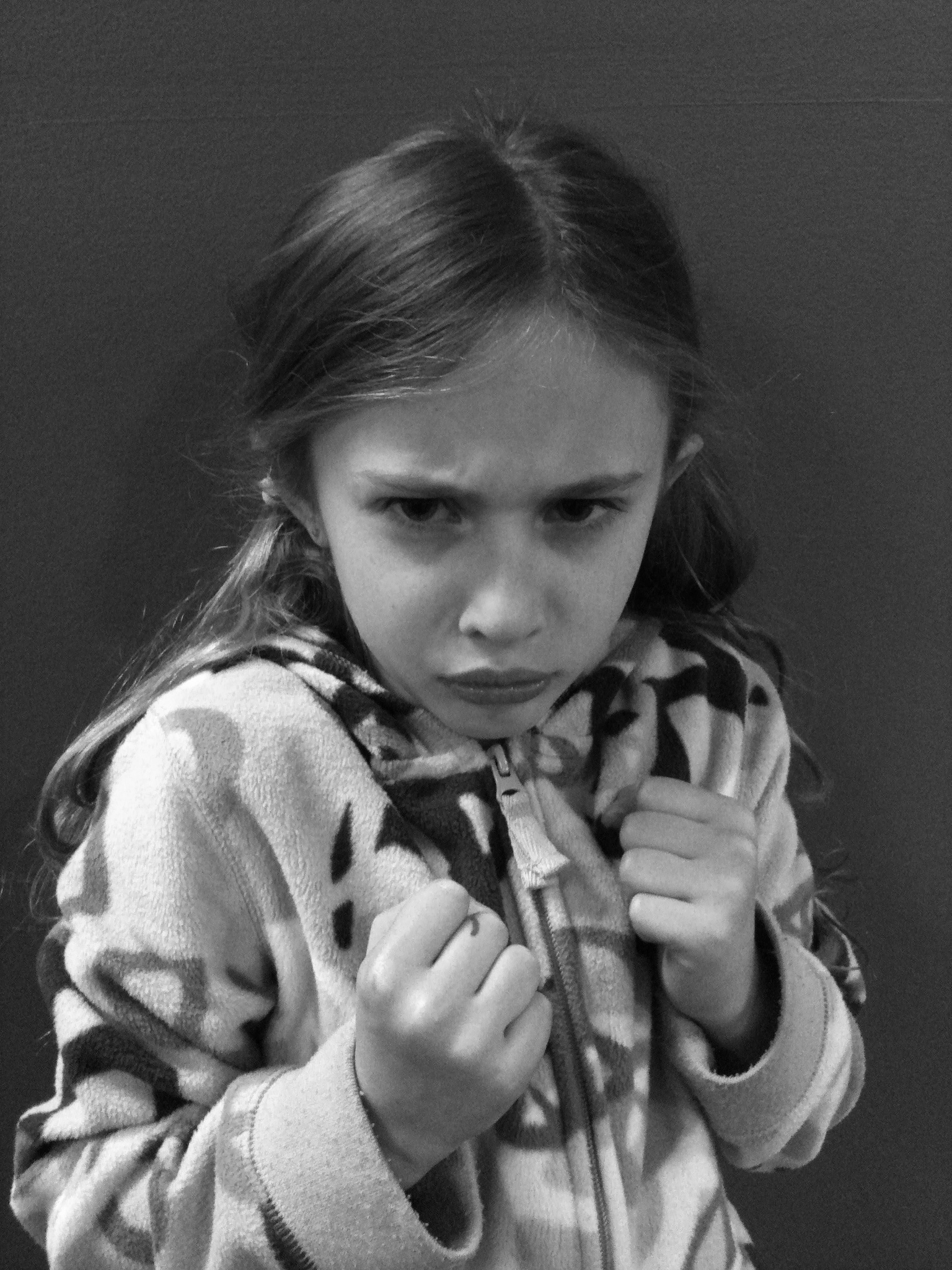
Bullying is in simple; hate or loathing of one’s self or life projected upon the life of another.   Rarely have I had a patient / client who bullied that felt “good” about his/her bullying.  If so, I found that this individual had such an unawareness of his/her own person that the “goodness” being experienced was a perverted happiness rather than a real joy or adulation. 

The grave effect of bullying in our youth lasts long into adulthood.  Bullying acts as a cancer of the mind, soul, and spirit.   It is one of the greatest depravities of the human condition.  Bullying corrupts not only the mind, thoughts, and spirits of its intended victims, but moreover, it has an equally dire effect on the perpetrator enacting it. 

Bullies are neither happy nor content with their lives.   Bullies are reconciled that “life” will not improve, thus there is an awkward sort of coexistence between the bullies and their instrument of hate.  Bullies are most certainly victims themselves. 

Continue reading


*The views expressed by our authors are personal opinions and do not necessarily reflect the views of the CCPA

The Effect of Hate on Children

Posted by: Asa Don Brown on September 28, 2012 4:16 pm

“I have decided to stick to love…Hate is too great a burden to bear.”

                                                                                     ~ Dr. Martin Luther King, Jr.

Webster’s Dictionary (2012) defines hate as an “intense hostility and aversion usually deriving from fear, anger, or sense of injury.  It is an extreme dislike or antipathy (and in most cases, there is) an object of hatred.”

Children who are exposed to hate are prone to a world of disorder, conflict, turmoil, strife, and an array of injustices.  Hate is the catalyst for human depravity and personal decay.  The typical foundations of hate begin in adolescence, they begin to blossom in the early life of a child.  Hate is rarely founded and always based on an indifference between peoples. 

DEFINING HATE CRIMES

The National Association of Social Workers definition is:  “Hate violence crimes are those directed against persons, families, groups, or organizations because of their racial, ethnic, religious, or sexual identities or their sexual orientation or condition of disability.” (Barnes & Ephross, 2012, Online)

Continue reading


*The views expressed by our authors are personal opinions and do not necessarily reflect the views of the CCPA
Oppositional Children

Posted by: Asa Don Brown on September 11, 2012 4:40 pm

“Be the change that you wish to see in the world.”

                                                                                     ~ Mahatma Gandhi  


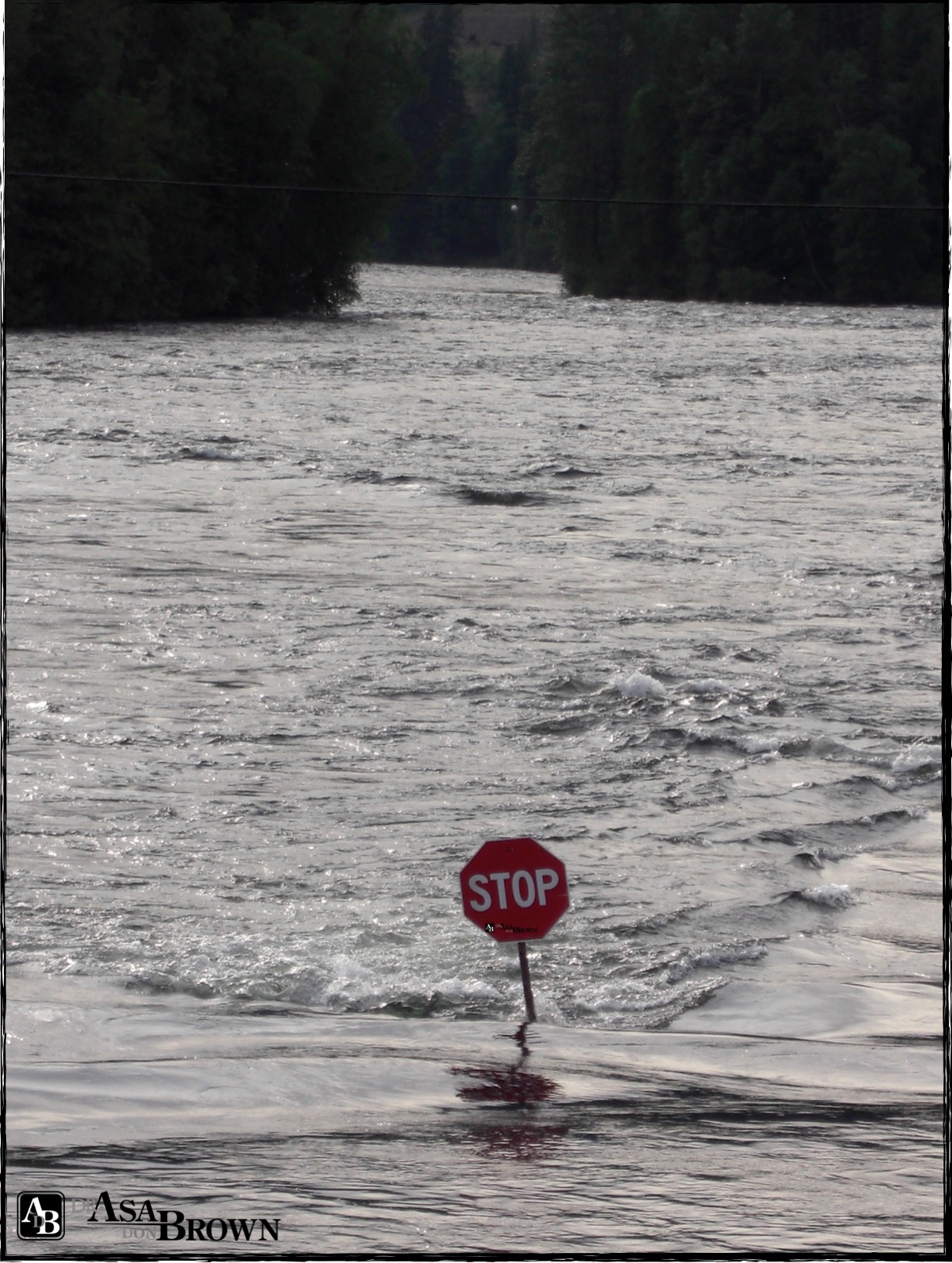
Children who act out in an oppositional manner, are frequently drawing upon an internal struggle to oppose or reject something in their lives.  Oppositional children are often blamed for their defiant behaviors, but are not always offered a listening ear, to hear why they are acting out in a disobedient and uncooperative way.

It is important to recognize that not all children who are acting out or behaving in an oppositional manner, should be diagnosed.  In fact, it is of extreme importance that children who act out in negative ways be given an opportunity to discuss the problems that plague their young lives.  Moreover, as a good clinician, we should be looking at the entire scope of the child’s life, including the psychosocial and economic perspective.  Unfortunately, in some egregious cases, children are reacting rather than simply acting out.  Therefore, as a clinician we must offer our best detective skills when looking at the life of a child. 

Continue reading


*The views expressed by our authors are personal opinions and do not necessarily reflect the views of the CCPA

Inspiring Your Child

Posted by: Asa Don Brown on August 30, 2012 11:35 am

“I have not failed.  I’ve just found 10,000 ways that won’t work.” 

                                                                                    ~ Thomas A. Edison   

Failure is good, failure is necessary, failure stimulates a desire for success.  When an individual fails, we are instinctively and unconsciously prompted to discover a path to success.  Successful people are inspired people; they are unwilling to accept the “status quo.”  Inspired individuals are willing to challenge the norm, ask questions, seek solutions, and forge through unbeaten paths.  Inspired individuals are unwilling to give up.

THE GOOD OF FAILURE

The importance of failure is that it reminds us that we can do better, be better, and achieve more. 

Why are we so concerned about making mistakes?  Why are we afraid of failure?  As a society, we are taught that failure is a remark of our character, our persona, our very worth.  From Hollywood to Bollywood we view movies and television shows that remark upon the negativity of failure. 

The Positive Aspect of Failure

If I fail, then I have a guidepost, indicating the areas with which I can improve. Failure has become the barometer of negativity, rather than a potential of opportunity.  Without failure, we could not relish in the achievement of our successes.  As a good parent or teacher, we should teach our children that failure is an opportunity for improvement and growth, rather than a blockade deterring us from our greatest potential.  Failure is no more than a mere challenge begging us to be better. 

Continue reading


*The views expressed by our authors are personal opinions and do not necessarily reflect the views of the CCPA
Love, What is Love?

Posted by: Asa Don Brown on August 17, 2012 1:49 pm

“True love is the best thing in the world, except for cough drops.”

                  ~ William Goldman, The Princess Bride

 First of all, I am a hopeless romantic.   On August 16, 2012, I will have the pleasure of celebrating my 15th wedding anniversary to my beautiful bride, my vulpine lover, my best friend, and the mother of my precocious, charming, and sometimes mischievous children.  

During the past 15 years, I have spent countless days gaining new insights into this person that I have come to know as my wife.  Do not get me wrong, we have had our emotional upheavals and times of trials and tribulations, but overall, my wife is unmistakably my best-friend. 

Continue reading


*The views expressed by our authors are personal opinions and do not necessarily reflect the views of the CCPA

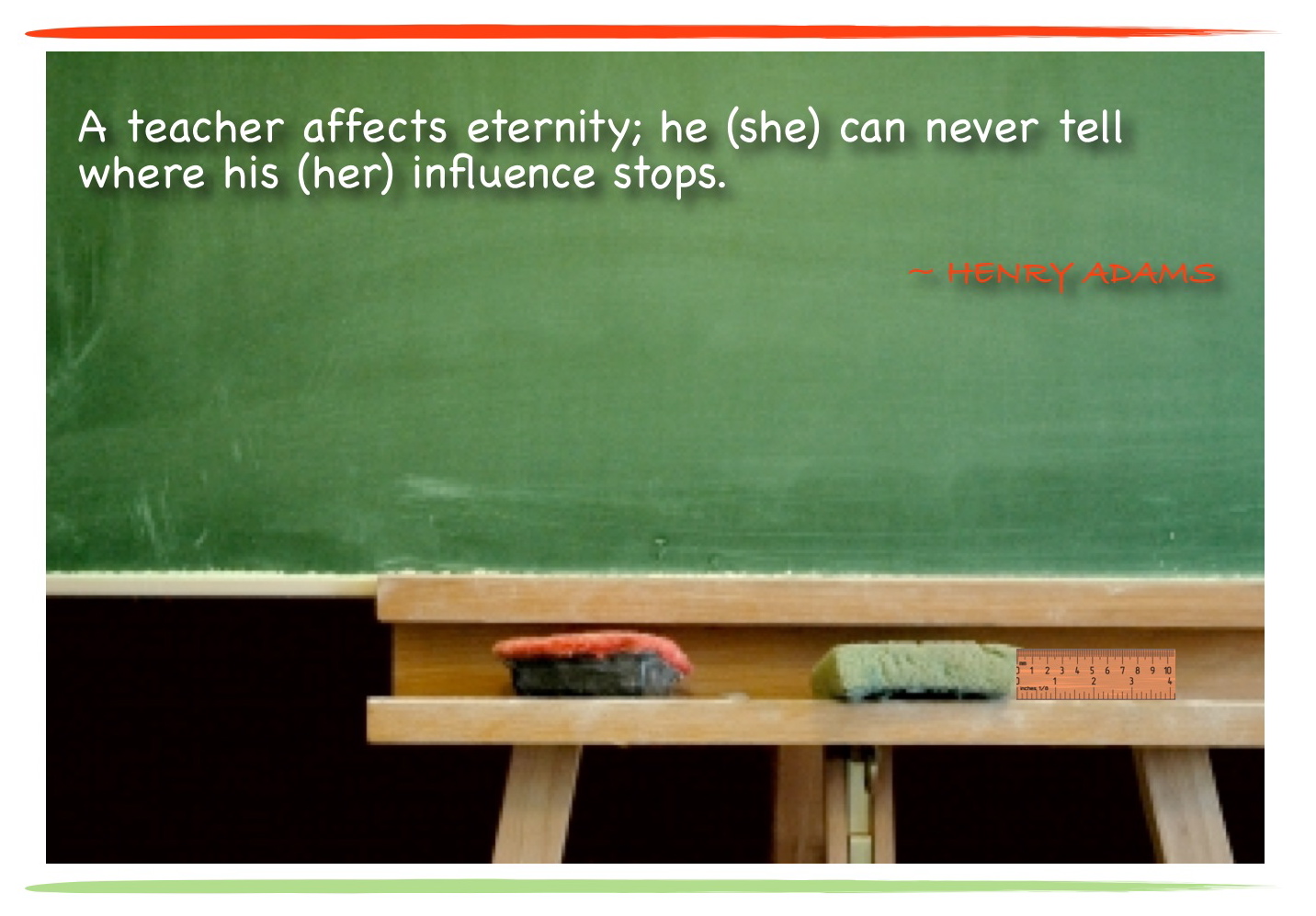
Teachers and Their Classrooms

Posted by: Asa Don Brown on July 30, 2012 2:42 pm

TEACHER’S PERSPECTIVE – EFFECTIVE CLASSROOM MANAGEMENT  

You’ve probably heard it said before, “Teaching isn’t a career; it’s a calling.” Many teachers have lifelong dreams, beginning in their formative years, of standing in front of a classroom and molding the young minds of tomorrow. Then they grow up, the degree and certification are obtained, and they’re ready for their first year of school. They come into the classroom with high expectations, hopes and ambitions. Unfortunately, they are often left in bewilderment as they are locked in the classroom for numerous hours per day with thirty plus students; all with different academic and behavioral needs. What happened to the excitement of molding the young minds of tomorrow? Has it been a breakdown of the relationship between teacher to student? Is the classroom size having a dire effect upon the teacher student relationship? Have the mores and ethos of society drastically changed, or have we faltered from our calling? 

A teacher’s dedication to providing excellent classroom management through developing relationships and mutual respect with his/her students is the key to the success of both the students and the teacher in the classroom. It is a collaboration of professionals, parents, teachers, and the students themselves that enhance the learning environment. 

Continue reading


*The views expressed by our authors are personal opinions and do not necessarily reflect the views of the CCPA

Encouraging and Empowering Girls

Posted by: Asa Don Brown on July 13, 2012 10:04 am

Empowering females sounds as though we are dismissing or ignoring males, but the truth is, both  genders desperately need to be equally empowered.  Therefore, while the intent of this article is to address female concerns and issues, the heart of the article should be applied to all of the human race.  

STEREOTYPES AND MISPERCEPTIONS
For far too long, the female gender has been plagued with stereotypes, typecasting, as well as, subtle and blatant discrimination.   There has been a long history of discrimination reigning down from religious orders, politics halls, and employment opportunities.  While blatant discrimination has become against the law in many countries; it is the subtle form of discrimination that we often overlook.   The discrimination in the female gender begins at a very young age.  “You shouldn’t buy Jill a Hot Wheel, rather buy her a Barbie Doll or a Littlest Pet Shop.” “Now Amy, let your brother carry in the groceries, for he’s a boy.”  “Amanda, let’s go shopping while the boys work on the vehicles.” “Tommy, you should let your sister wash the dishes, while you mow the lawn.” Now of course, not all of the above statements apply to all children, however, there remains a general outlook on specific roles that boys and girls should partake.�
Continue reading


*The views expressed by our authors are personal opinions and do not necessarily reflect the views of the CCPA

The Psychological Benefits of Animals

Posted by: Asa Don Brown on July 6, 2012 4:09 pm


 The old thinking was that if your family had a pet, the children were more likely to become allergic to the pet.  And if you came from an allergy-prone family, pets should be avoided.”                                                                                                

~ James E. Gern, M. D.

As humans, we are often known to show superior attitudes to our fellow dwellers of this planet.   In fact, we not only have an ability to cognitively outwit the animal kingdom and we have a means with which we can measure our intellectual superiority through IQ (Intelligence Quotient) testing.  Ironically, despite our intellectual superiority over the animal kingdom, we have yet to manufacture a substitute for our four legged friends.  Moreover,  the health benefits received from relationships with our four legged and feathered friends seems to be irreplaceable. 

What is it about the relationship with our pets that we cannot live without? Why is it that children are instantly drawn to a new puppy or kitten? What causes the heart of a hardened criminal to melt like butter when playing with a puppy?

Continue reading


*The views expressed by our authors are personal opinions and do not necessarily reflect the views of the CCPA

Children, Youth, and Tobacco

Posted by: Asa Don Brown on June 26, 2012 9:13 am

“The health effects of cigarette smoking have been the subject of intensive investigation since the 1950s.  Cigarette smoking is still considered the chief preventable cause of premature disease and death…” (NLM, 2012, Online) The relationship of smoking and mental health disorders had long been overlooked and underestimated.  The primary reason for the underestimation, is that those who were addicted to cigarettes, as well as having a mental health disorder were often within the norm of society. 

Tobacco has a significant effect upon one’s emotional and cognitive wellbeing.  Have you ever witnessed someone who is desperate to have a smoke? They are often agitated, anxious, jittery, and in some form of emotional distress.  Tobacco’s primary stimulate is nicotine which is linked to being the catalyst for its addictive nature. Nicotine is said to be more addictive than cocaine, methamphetamine or alcohol.  

Continue reading


*The views expressed by our authors are personal opinions and do not necessarily reflect the views of the CCPA