
The Effects of Pornography

Posted by: Asa Don Brown on March 7, 2013 4:23 pm

The effects of porn addiction are undeniable.  Those who suffer from such an addiction, frequently struggle with a desire to part from their addictive issue.  The nature of porn addiction infiltrates the mind by gradually permeating the very essence of the individual.  The individual becomes so entangled by the web of such an addiction, that every waking moment is about fulfilling the addiction.  In many cases porn addicts frequently feel that the pornography has so entrenched their mind, that they begin carrying on a surreptitious like affair with their pornographic habit.  

WHAT IS THE CAUSATION OF PORN ADDICTIONS? 

There is no absolute cause for porn addiction.  Porn addiction can occur because of a variety of issues.  A child who runs across his father’s collection of pornography, may develop a habitual need for pornography.  A man or woman whose partner denies them continuously, their sexual desires or advancements, may find pornography as a comfortable replacement.   

“A 50-year old married physician views internet pornography for hours at home, masturbating five to seven times a day, then begins surfing porn sites at the office… A woman spends four to six hours a day in internet chat rooms and having cybersex… A married couple view pornographic movies together as part of their loving relationship, but the husband starts spending more time watching…” (SFGate, 2011, Online) 

There is no one single causation for porn or sexual addictions, rather there a multiple number of causations that could be the catalyst for such sexual deviance.  Pornographic and sexual addictions frequently stem from childhood related abuses, sexual indiscretions, psychological and psychiatric disorders, familial violence and abuse, relationship violence and abuse, traumas incurred in childhood or as an adult, an opportunity for sexual or pornographic imagery, relationship problems with a spouse, or compulsive needs.  

Continue reading


*The views expressed by our authors are personal opinions and do not necessarily reflect the views of the CCPA
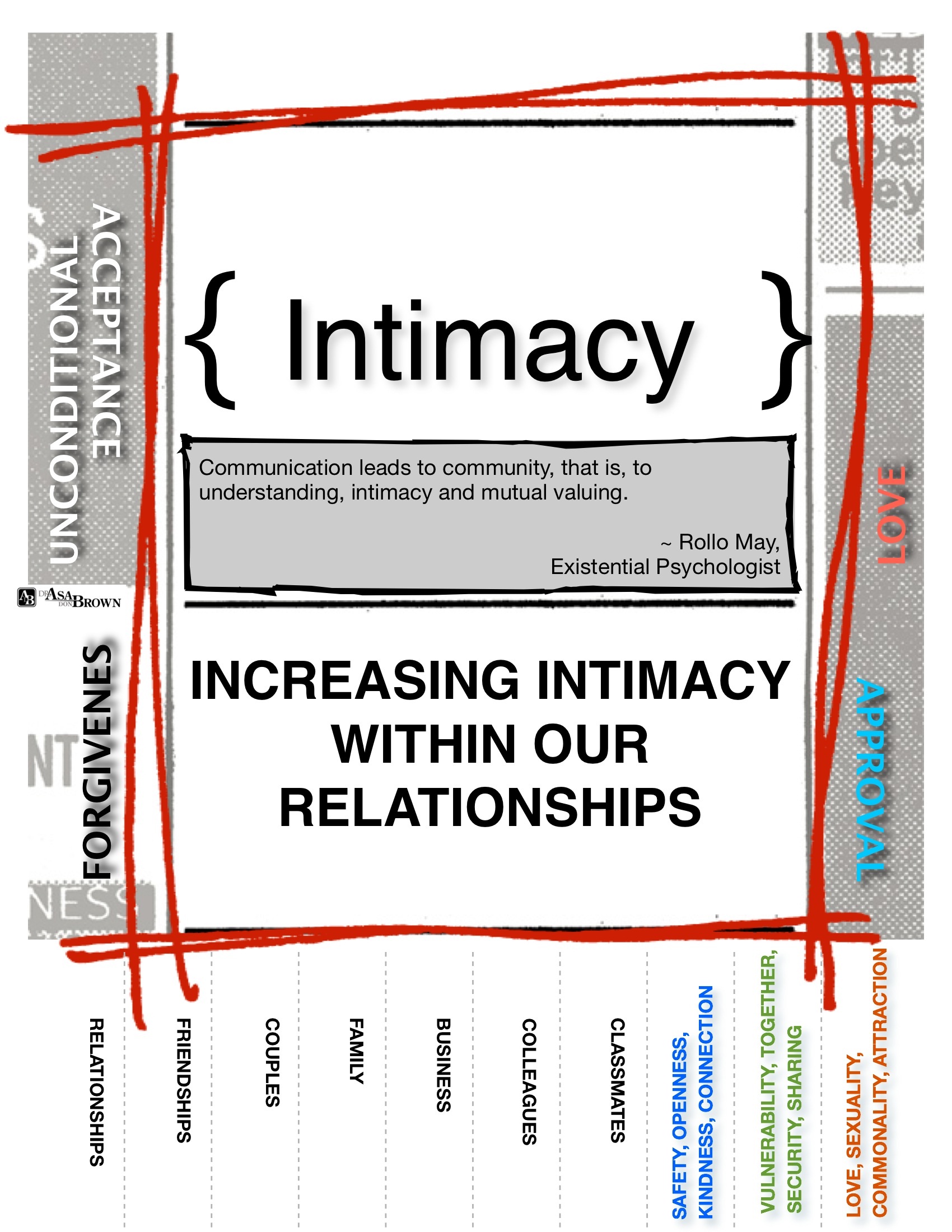
Increasing Intimacy Within Our Relationships

Posted by: Asa Don Brown on February 15, 2013 3:45 pm

When we hear the word intimacy, all sorts of images maybe conjured up in our minds.  The word intimacy may stimulate a visual image of sexual encounters, or it may project an idea of deeply fostered relationships, but the truth is, intimacy can occur on the most primitive of levels.  Yet, the types of intimacy vary depending upon the depths of the relationship in question.

WHAT IS INTIMACY?

Intimacy is the ability to share an emotional and physical connection with another.  Such connections can occur between couples, friends, families, and within a variety of relationships.  Intimacy involves a level of cohesion that unites the very essence of our person.  It is a connection that can occur on the very basic of human emotions, conditions, and attractiveness.  

Intimacy occurs when we have a bond between ourselves and another person.  Intimacy does not have to occur on a sexual level alone, it can occur between persons who are simply seeking to be connected.  We can be intimate through our verbal and nonverbal gestures, facial expressions, touch, and through the words we choose to use. 

Again, it is important to recognize that it can occur beyond a couple’s relationship, it can occur through friendships, familial relationships and through a variety of close knit avenues and environments. 

Continue reading


*The views expressed by our authors are personal opinions and do not necessarily reflect the views of the CCPA

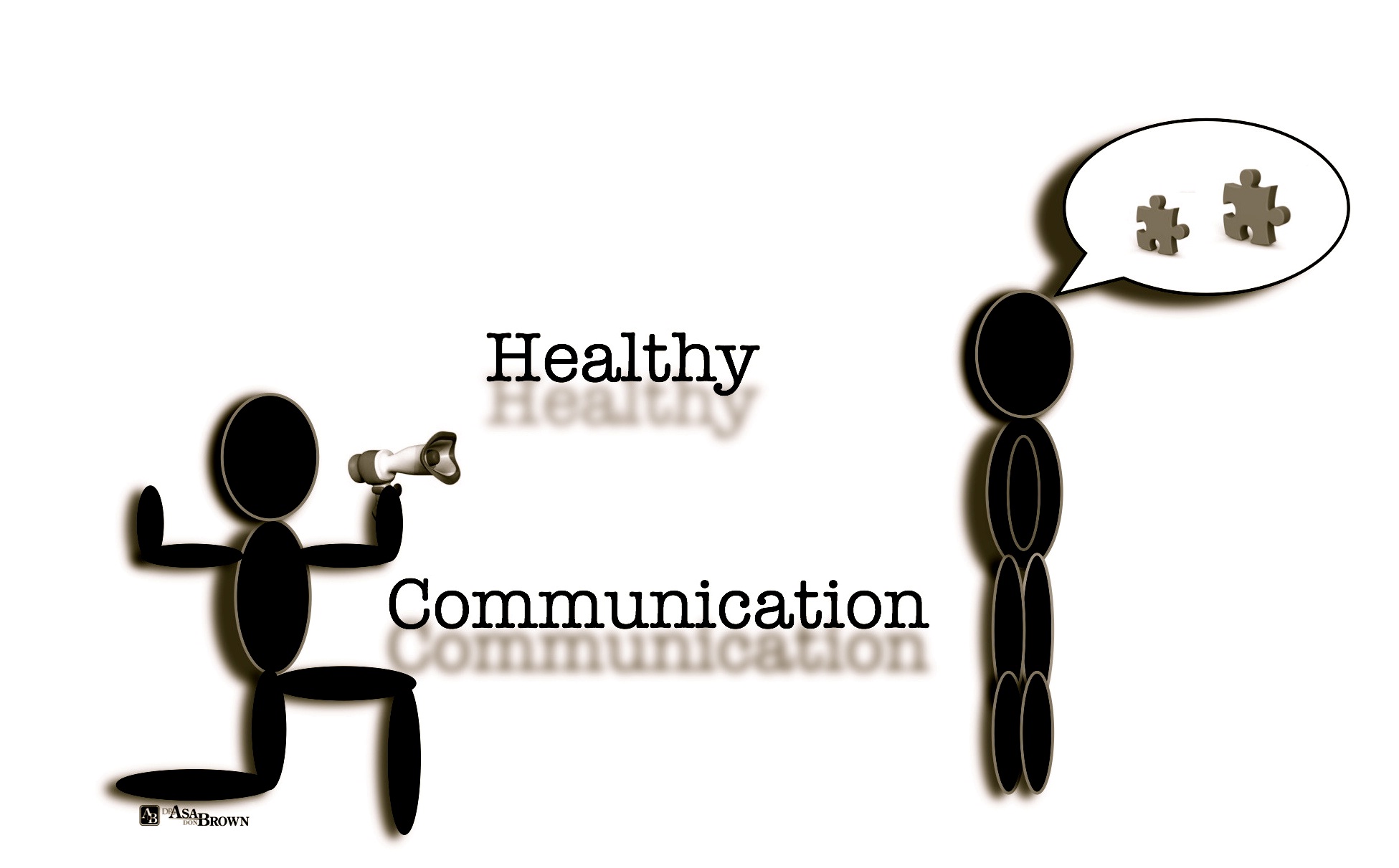
Healthy Communication

Posted by: Asa Don Brown on January 23, 2013 4:23 pm

Relationships are an art form created by two individuals who have a similar or complimentary vision, passion, and ambition.  Rarely has a relationship developed without its growth pains.  Similar to the development of the human body; a relationship is affected by the nurturing it receives.  If a relationship lacks in nutrition it will not have a healthy development. Unhealthy relationships are most commonly lacking in the most essential of ingredient: healthy communication. 

What is communication? It is the ability to convey or share emotions, feelings, sentiments, and desires.  Communication can be sent or received through verbal or nonverbal cues.  Healthy communication is the ability to communicate without offering hateful or undesirable responses.  While not all communication will be received with a welcoming spirit; healthy communication acknowledges that we have a right to “agree to disagree”.  

Continue reading


*The views expressed by our authors are personal opinions and do not necessarily reflect the views of the CCPA

Relationships

Posted by: Asa Don Brown on January 14, 2013 2:27 pm

Clinicians rarely have couples enter their offices proclaiming an overwhelming fondness, admiration, and unconditional love for one another  “In Western cultures, more than 90 percent of people marry by age 50.  Healthy marriages are good for couples’ mental and physical health.  They are also good for children; growing up in a happy home protects children from mental, physical, educational and social problems.” (APA, Online, 2012)

Why are healthy marriages good? If you are in a healthy marriage, you are experiencing positive feedback, unconditional acceptance, unconditional love, unconditional approval, and the admiration of another.  You are benefiting from the positivity of that relationship.

In unhealthy marriages, you may be experiencing marital strife, conflicts, and continuous disagreements. While unhealthy marriages are not irreparable, they maybe on pathways of irreversible damage.  It is vitally important that if someone has entered an unhealthy stage in their marriage that they seek professional help to resolve their relationship conflicts.

Continue reading


*The views expressed by our authors are personal opinions and do not necessarily reflect the views of the CCPA