Trauma Counselling – Depth Levels of Conversation
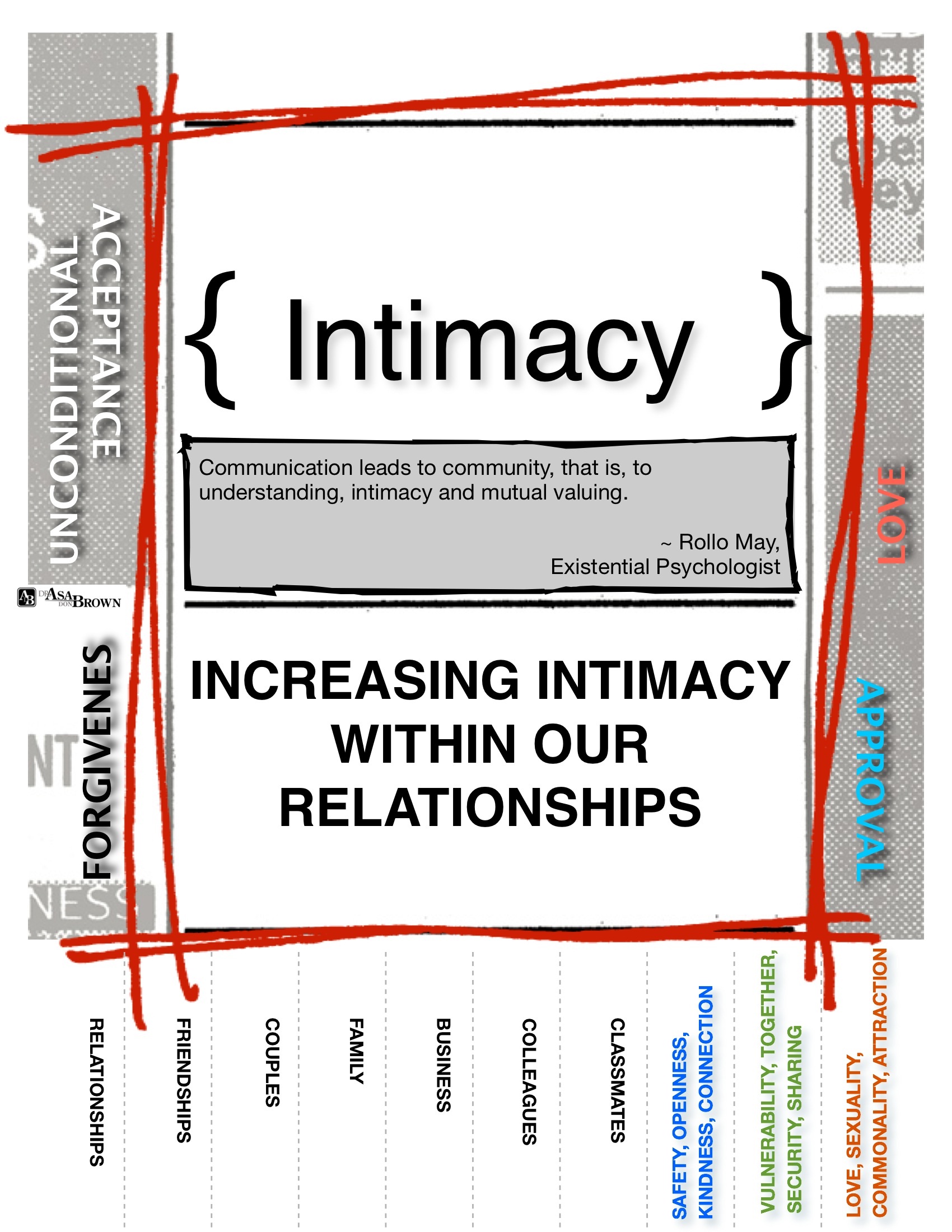
In my last article, I provided brief descriptors of the first 3 levels of conversation – formal operations, contact maintenance and standard conversations. In this article, I present brief descriptors of the last two, and what I consider are, the ultimate goal and true depth levels of therapeutic conversations: Level 4 – Critical Occasions and Level 5 – Intimacy essential to achieve with survivors of traumatic lifetime events (TLE) towards healing and wholeness.
Level 4 – Critical Occasions – are essential conditions to meet for significant life-change and growth and implies that the client is both accessible to work and seeks to truly express the impact and depth of their inner experiencing. The therapist genuinely and willingly joins the client in this degree of depth conversation. Critical attention is provided to the revisiting of particular and significant times, relationships and conversations that made a difference, sometimes referred to as a crisis turning point or that moment in time when the stage was set within a sequence of events where one’s future outcomes were influenced [duly or unduly] in a significant way. Conversation at this depth level results in genuine changes in words, thoughts, feelings and acts of both participants.
This depth of client and therapist conversation is a highly desirable state of emotional investment where the client revisits the impact and a difference in one’s sense of being follows. Emotionality is in the moment and there are candid descriptors of past and present, inner experience with self-questioning. The client’s focus and concern is upon expression of their inner experience and the talk varies in form, tempo and emotional toning. Typically, this depth of talk is prompt where fluid clusters of percepts emerge with slight hesitancy noted with the new material coming into consciousness. At this point, the therapist is not forgotten, but part of the background, while the client accesses deep states of inner awareness. The client’s use of adjectives and adverbs expressed at this time conveys the texture and colors of their inner experiencing which may be enhanced by the use of exclamations, slang, profane or obscene remarks. Typically, body posture is relaxed and open, and one’s body language changes in keeping with the emerging emotions.
However, intense immersion and overt behaviors ranging from rigidity to utter limpness or physical contortions visible in one’s face or body may also occur. The client is on the expressive side of their presence, their accessible and attention is somewhat reduced for they are strongly focused on inner flow. This is the place of change potential or cross-roads talk where participants emerge with a difference in perspective, attitude, or emotion. This is a powerful plane where repeated returns to a word, topic, feeling or phase occur without conscious awareness.
In these moments, the client may be unable to recall something particular, there can be abrupt switches of topics or feelings, a loss of one’s train of thought with a felt sense presents of either physical restless or unusual immobility.
*The views expressed by our authors are personal opinions and do not necessarily reflect the views of the CCPA